11 best AI content writing tools (reviews included!)
Topic: AI Content
Published:
Written by: Bernard Huang
As a newer addition to the modern tech stack, AI content generators (aka AI content writing tools) promise to make content marketing faster, cheaper, and more scalable.
But do they actually deliver? And which ones are worth your time?
Finding unbiased reviews of these tools is surprisingly hard. Most search results are stuffed with affiliate links and glowing praise that feels… motivated.
This isn’t one of those posts.
Though we received exactly $0 for any links mentioned below, we do mention Clearscope. While it started as an AI-assisted content optimization platform, it now also includes AI-powered drafting—designed specifically for search intent–aligned content.
Below, I’ll walk through 11 AI content writing tools, what they’re actually good at, and where they fall short.
Every tool here has been tested either by me or by another content expert on the Clearscope team—so this isn’t theoretical. It’s based on real workflows, real drafts, and real results.
Before we jump in, one important caveat: Like any tool designed to help you do your job faster, AI writing tools are only as good as how you use them.
They can absolutely boost productivity and creativity—but without the right guardrails, they can also introduce inaccuracies, generic output, and content that misses the mark entirely.
READ MORE:
Best AI content writing tools
Okay, here are my votes for top tools based on a few different categories.
Best all around AI writer: ChatGPT
Best for Google-aligned content and Google Workspace: Gemini (of course)
Best for solopreneurs or freelancers: ChatGPT
Best for enterprise teams: Jasper.ai
Best for creating content that meets search intent: Clearscope.io (Okay, I’m a bit biased—but Clearscope now includes AI-powered drafting, and it’s purpose-built for aligning content with real search intent. More on that below.)
These recommendations are based on professional judgment, not hype.
I’ve worked in content marketing in some form for over a decade, and I was initially skeptical of AI writing assistants.
Over time, I’ve come to appreciate the tools that assist, streamline, and scale a content strategy—without replacing subject matter expertise or human judgment.
At Clearscope, we’re a team of content, product, and SEO nerds (myself included), and we take quality and community feedback seriously.
One consistent takeaway from testing all of these tools:
Your inputs matter. A lot.
AI doesn’t magically produce great content on its own. The quality of the output is largely determined by how thoughtfully the tool is used.
Beyond our own hands-on testing, we also reviewed G2 community feedback for each tool to better understand user satisfaction and perceived quality.
We also prioritized simplicity. A simpler tool is often easier to adopt—and easier to use well.
(At Clearscope, we firmly believe that a simple tech stack is usually the most effective one).
Why you should trust us: 11 AI content generation tools tested
Every tool below was tested with real content use cases—not just prompted once and judged at a glance.
Most of them offer a free plan or trial, so you can try before committing.
I’ve intentionally left pricing out of this article, since it changes frequently. You’ll want to check each site for current plans.
Here’s the criteria I used when evaluating each tool:
Cost
Speed
Accuracy
Security
Collaboration
1. ChatGPT
I would be remiss if I didn’t mention the free tool that brought AI writers to the forefront of many marketer’s minds: ChatGPT.
OpenAI launched ChatGPT to the public on November 30, 2022.
But because of ChatGPT’s free access and easy conversational chat based in natural language processing, it increased the comfort level of AI copy generation for many of us—even though many AI content writing tools existed prior to its launch in 2022.
It’s also come a long way from the GPT-3 we were all first experimenting with: ChatGPT-4o was recently released with expanded functionality and is available for anyone to try.
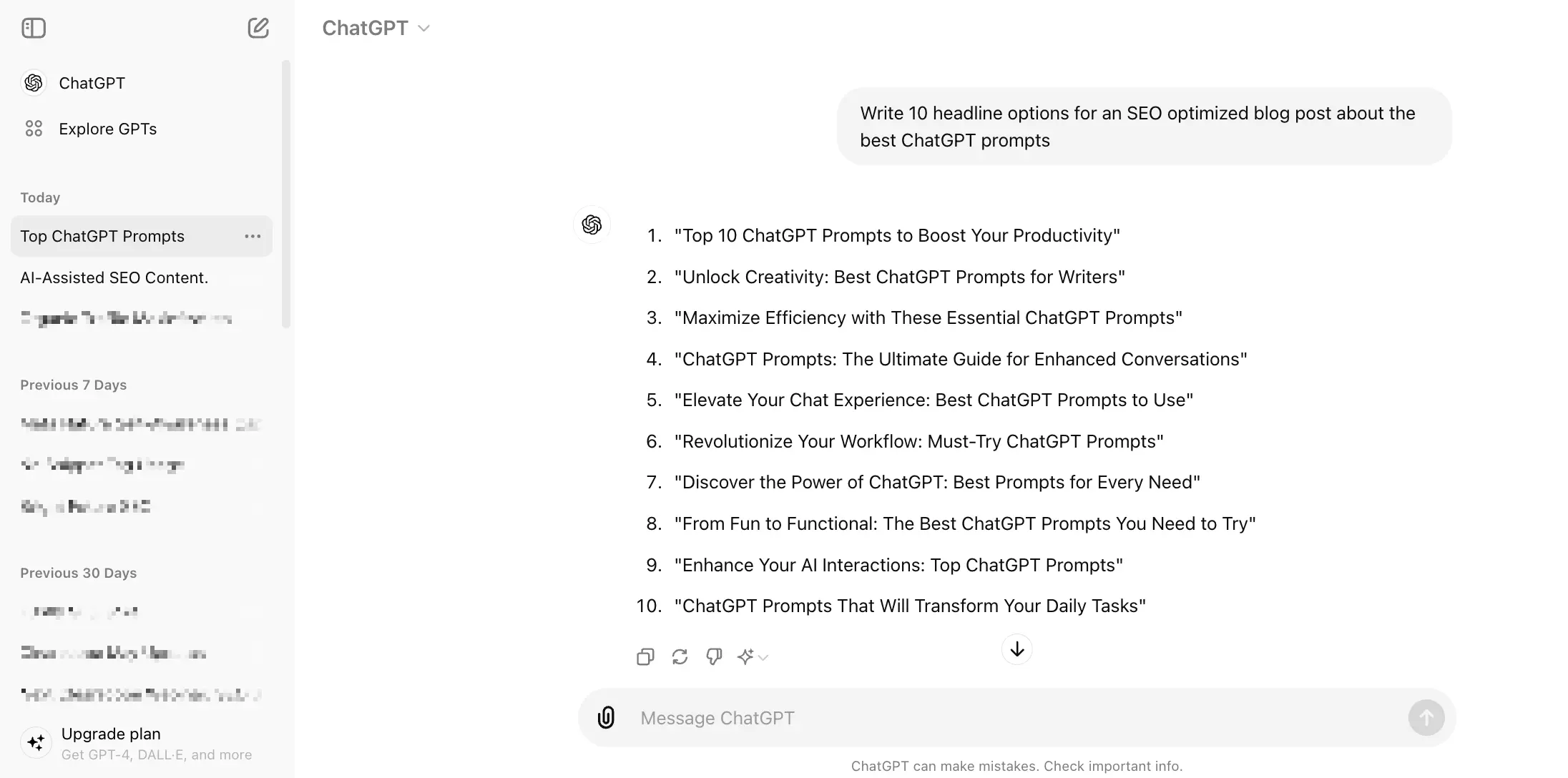
Chat GPT interface
Who would benefit from using ChatGPT?
If you’re exploring AI writing software for the first time, the free version of ChatGPT is a great place to start. It’s extremely user-friendly and requires nothing more than a well-written prompt to get going.
Recommended reading: How To Engineer Better AI Prompts for Your SEO Content Strategy
Here’s what ChatGPT can do to enhance your content marketing and copywriting workflow:
Social copy: Emulates the style of existing posts to create on-brand social content.
Titles and headers: Turns rough content ideas into infinite heading variants.
Website copy: Generates hero copy, title variations, and value propositions.
Ideas and brainstorming: Identifies related ideas based on a starting topic.
Meta descriptions: Creates usable summaries that work well as metadata.
Feedback: Provides feedback on weak arguments (but not factual).
Rephrasing and summarizing:
Grouping like items: Useful for keyword clustering following keyword research.
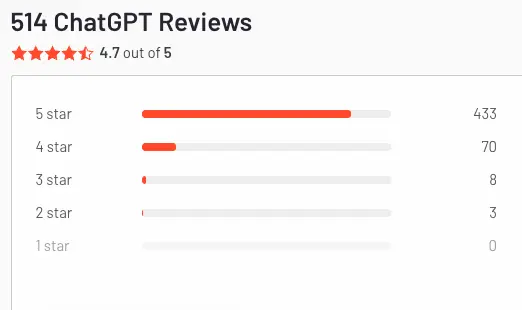
G2 reviews show 4.7 out of 5 stars.
It’s worth noting, however, that many of those tools rely on OpenAI’s GPT models under the hood—meaning you can often achieve similar results in ChatGPT itself, just without the additional workflows or interfaces.
On May 23, 2024, we polled our Clearscope webinar audience—primarily SEOs and content marketers—about AI chat model reliability.
Out of 168 respondents, 68% said ChatGPT was the most reliable and trustworthy AI chat tool.
While that’s a limited sample size, this audience is deeply engaged with AI and search technologies, making the insight worth sharing.
2. Google’s Gemini and Gemini Advanced

Gemini interface
This is one of my favorite AI chat experiences for writing or rephrasing copy—especially for SEO-related content.
Why?
Because you can ask Google itself what it thinks about content-first SEO best practices based on current Google algorithms.
That’s a meaningful advantage.
There is a free version of Gemini that operates very similarly to ChatGPT that you’re likely familiar with, and Google now offers Gemini Advanced, which integrates with Google Workspace easily.
Who would benefit from using Gemini?
One notable benefit of using Gemini for copy generation is its ability to surface current, real-time information from across the web, including upcoming or scheduled events.
That said, as with any AI content generation tool, it’s still essential to fact-check outputs. Inaccuracies can and do occur.
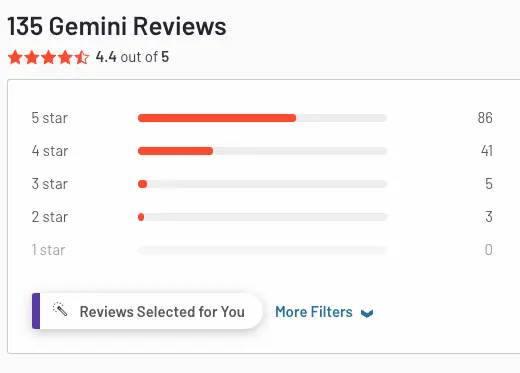
Google's Gemini has 4.4 out of 5 stars from G2 reviewers.
3. Jasper
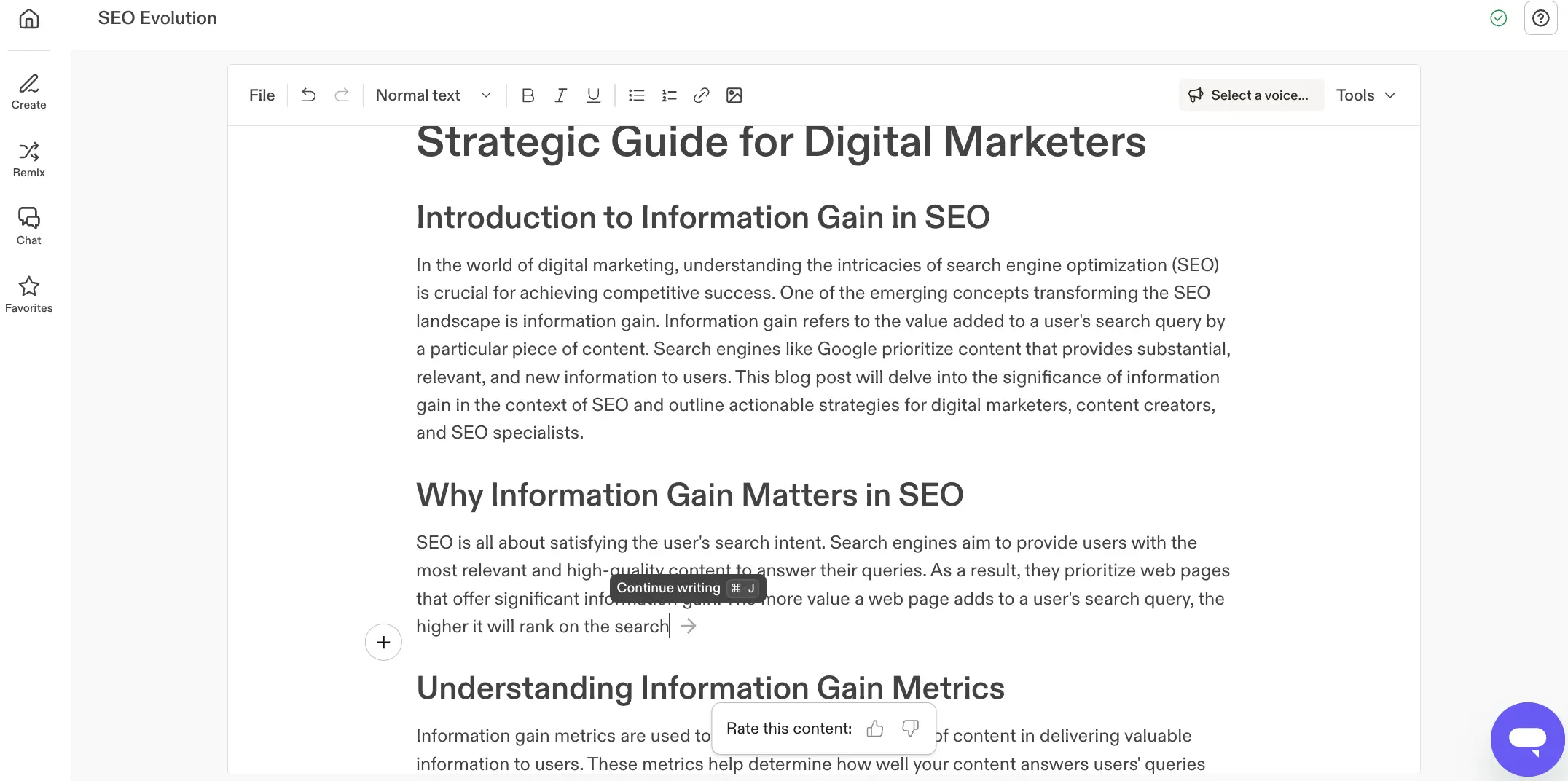
Jasper AI interface
AI-content generator Jasper has 50+ templates for long- and short-form content. That way, you can easily tackle different types of content across one platform.
Some of Jasper.ai’s most useful templates include:
Amazon product descriptions
Meta title and descriptions
Social media posts
Email subject lines
Image generation
Video description
Personal bios
To help content writers fight against writers' block, there’s a Blog Post Intro paragraph template to get initial ideas flowing.
There's also a chat feature, but I found that it produced some unusually formatted results on occasion.
Who would benefit from using Jasper.ai?
Jasper.ai can generate copy with the click of a button across a wide range of content formats, which can be extremely convenient for marketers.
However, because Jasper relies on the data it’s been trained on, outputs for niche topics or complex subjects may be inaccurate.
It also struggles with highly creative content or topics that require precise technical expertise.
As an AI content generator, Jasper drafts content based on consensus information rather than perspective-driven or information-gain content. As a result, it still requires meaningful human input and isn’t inherently a content-first SEO tool.
I tested the platform by creating several SEO-focused articles. When I ran those drafts through Clearscope, there was still significant editing required to properly align the content with search intent.
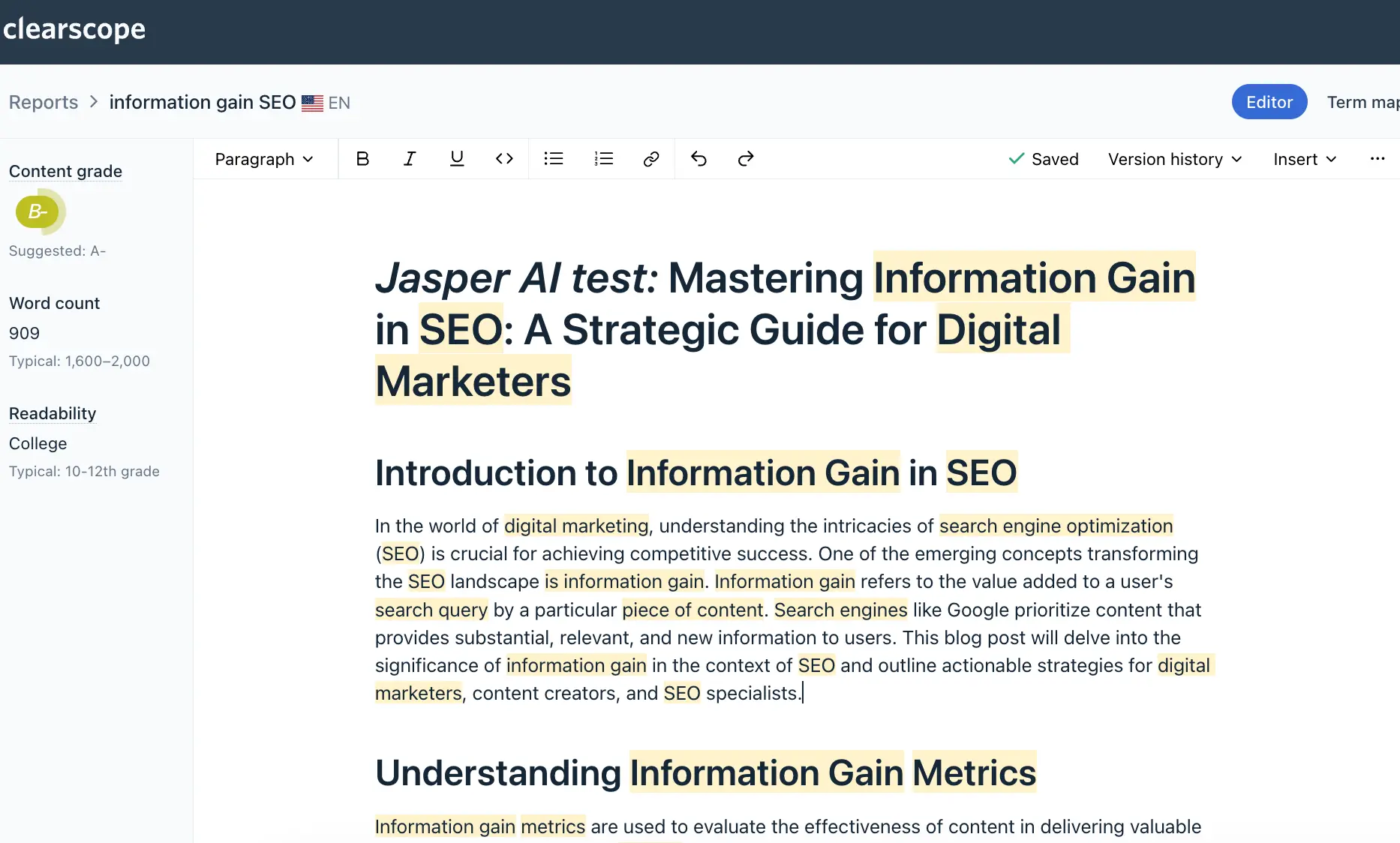
A test of Jasper's generated content in the Clearscope Drafts tool. It currently has a B- grade for meeting search intent. Not bad, but there's still quite a bit of human editing needed here for top SEO performance.
I also found that the AI didn’t perform as I had hoped when using the chat feature, but I found the templates truly helpful and enjoyed using them.
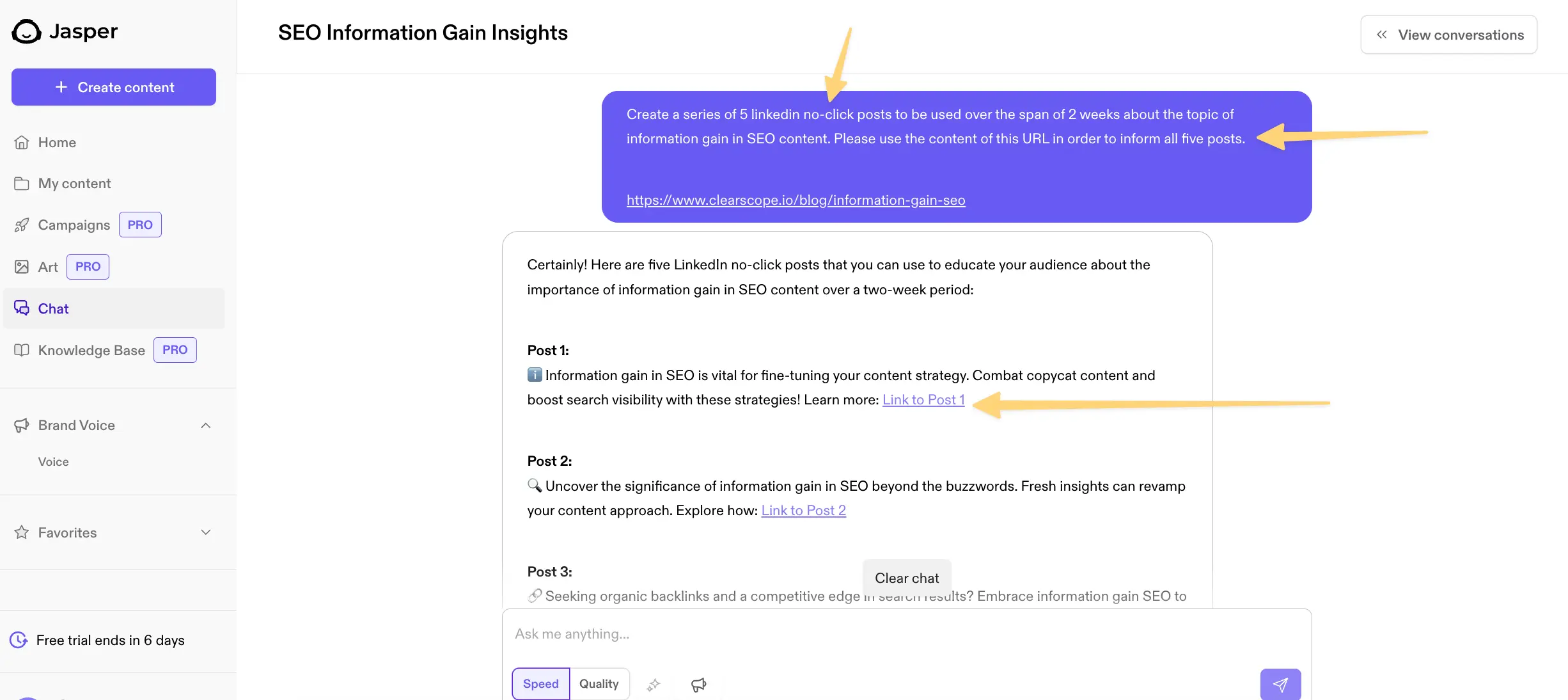
There are some confusing flaws I ran into when using Jasper.ai chat feature. Here, you'll see that it linked to my URL unusually for a LinkedIn post. I was assuming the tool would understand what style of post performs well on LinkedIn and emulate that.
Overall, this tool can be a great starting point for general marketing copy task automation, like emails, ecommerce product listings, newsletters, ad copy, and social posts.
And Jasper makes it very easy to share content guidelines and brand voice across teams.
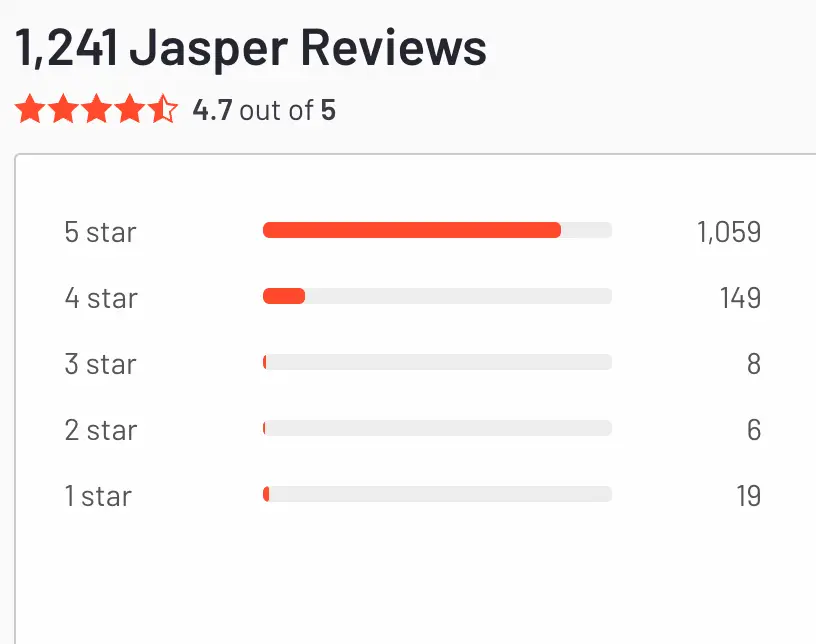
Jasper has 4.7 out of 5 stars on G2 as of May 2024.
Learn more: How to stand out from AI content with thought leadership with Chima Mmeje of Moz
4. Copy.ai
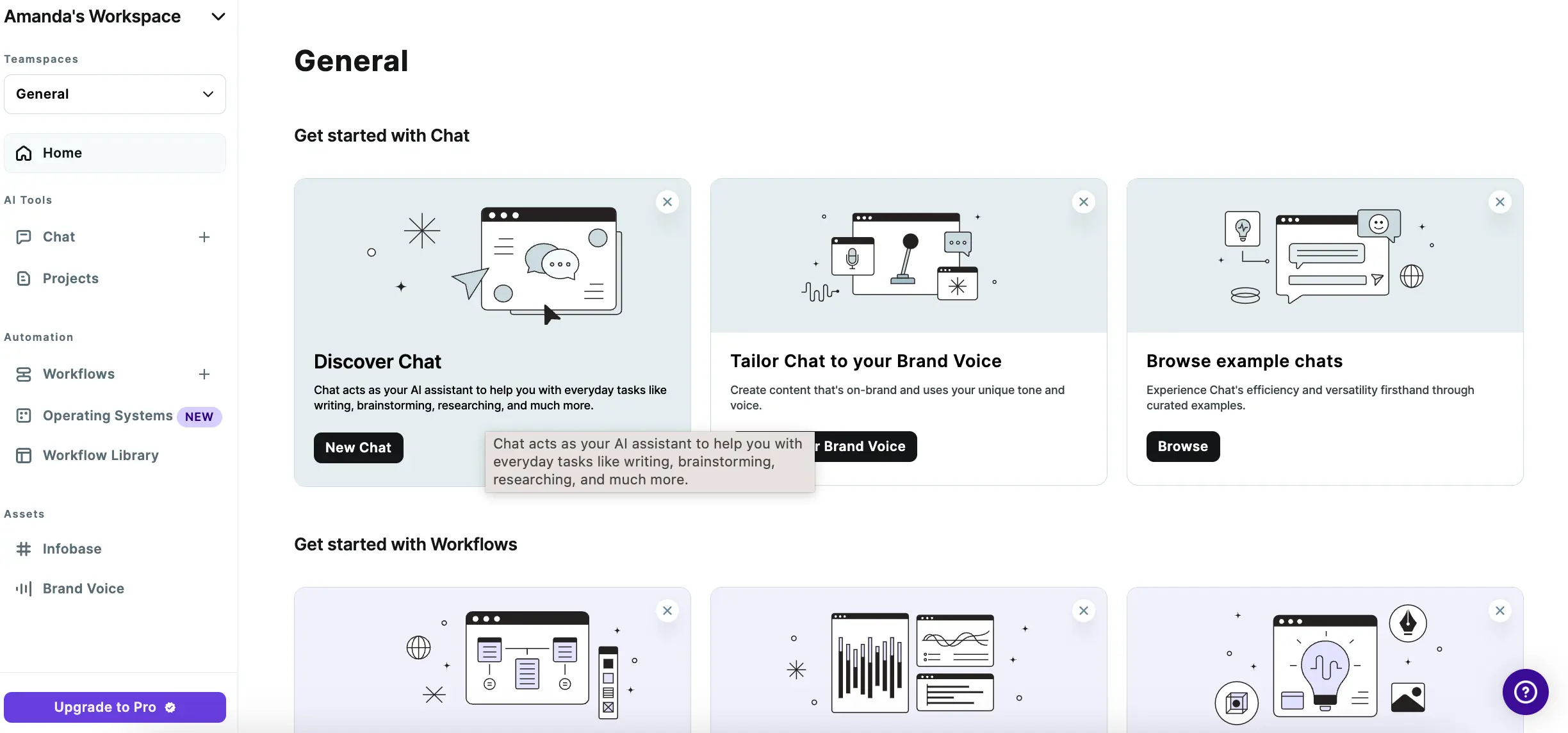
Copy.ai AI content generation tool
Copy.ai requires relatively little human input to generate copy, outlines, and ideas, and it offers an extensive library of workflows to simplify the process.
There’s an SEO-Optimized Blog workflow template that only requires a few inputs:
Keywords
Unique insights or beliefs to add to the blog
With those inputs, the AI scrapes search results to generate a blog post outline, provides talking points for each heading (or a full draft), and surfaces a list of keywords the article should include.
However, after generating the outline, you have to manually copy it into the blog creation workflow. Generating both the outline and the full article can take some time, which adds friction compared to more streamlined tools.
A quick look at Copy.ai’s capabilities
Copy.ai supports over 25 languages, making it a potential fit for content creators running global or multilingual marketing campaigns.
Learn more: How to harness the power of multilingual SEO with Adriana Stein
And even though I used the “Create an SEO optimized brief” workflow, and then ran the blog article workflow, there was still much work needed.
It also includes marketing workflows such as AI-powered email series and repurposing sales calls into blog posts.
However, Copy.ai generates drafts by scraping existing content from across the web.
As a result, writers and content marketers should stay attentive. Like many AI content generation tools, Copy.ai’s output can lack the unique voice, expertise, and perspective that come from human-led writing—making drafts feel generic without careful editing.
After running the content through Clearscope, the grade indicated there was still plenty of editing work to complete before search intent was sharply met.
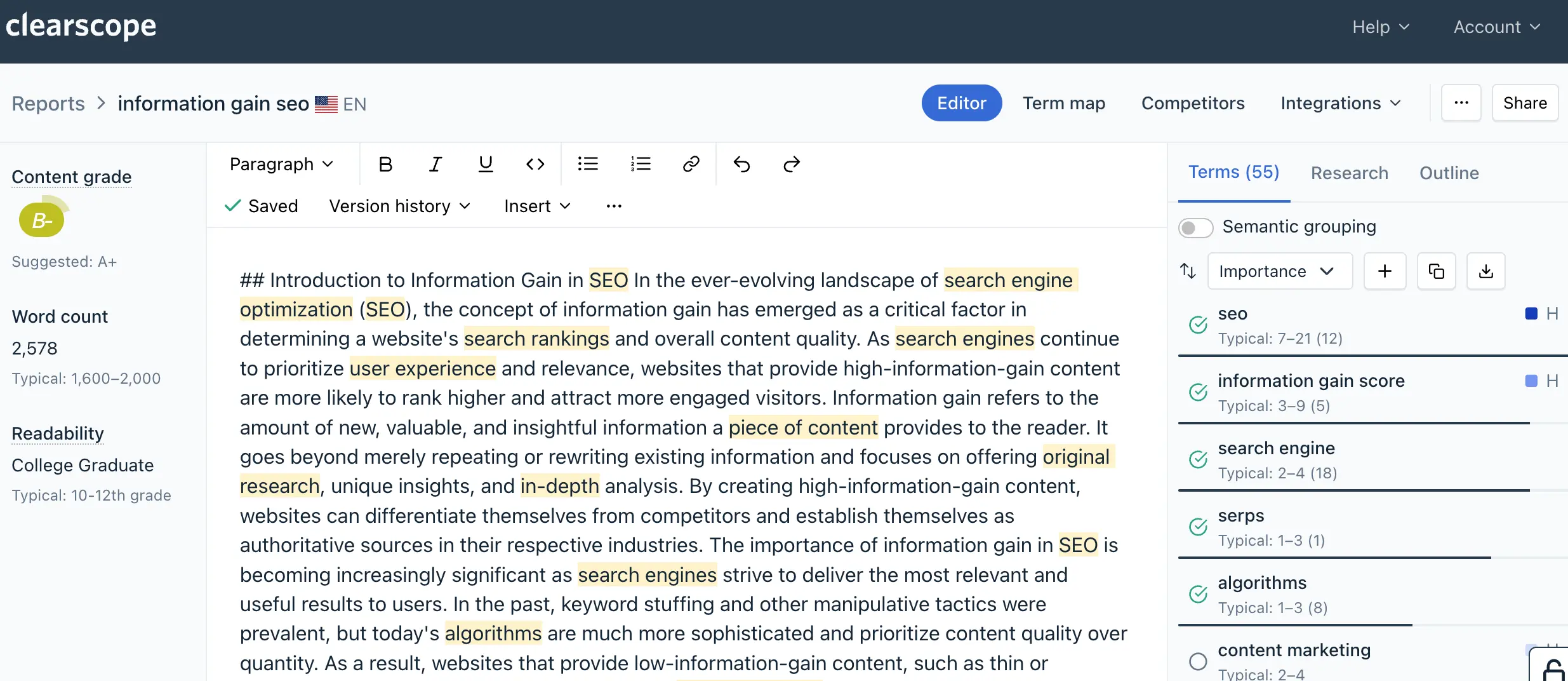
A Clearscope review of the SEO optimized article created by the CopyAI tool showed that there was still editing work to be done to optimize it for search intent.
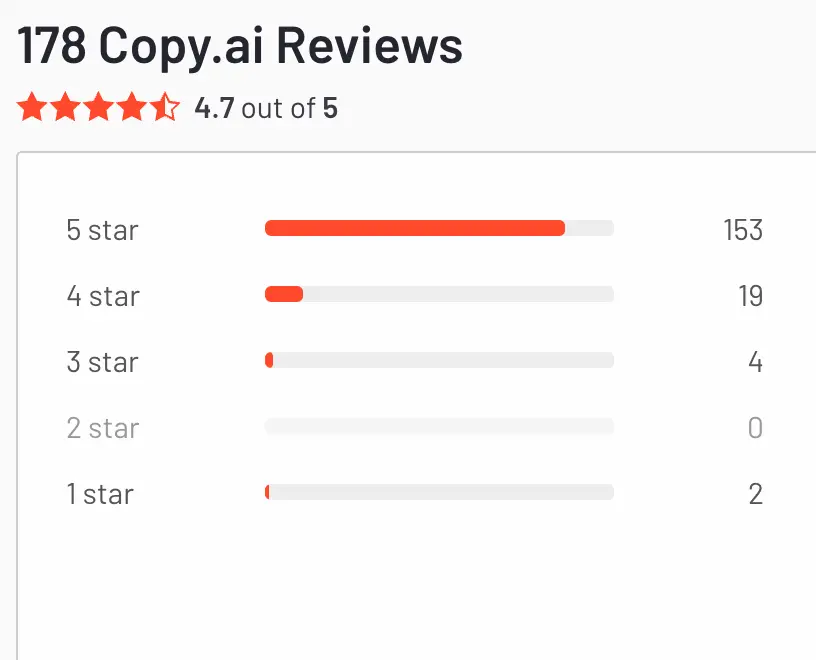
CopyAI has 4.7 out of 5 stars on G2 reviews as of May 2024.
5. Writesonic
Writesonic is an AI tool designed to help generate copy with a focus on increasing leads and sales.
One set of templates is geared toward long-form content, allowing you to create articles, summarize existing content, and reword drafts as needed.
Another set is designed for copywriting use cases, with templates for landing pages, product descriptions, and social media captions.
Read: Optimizing web content: Product pages, blog posts, and more
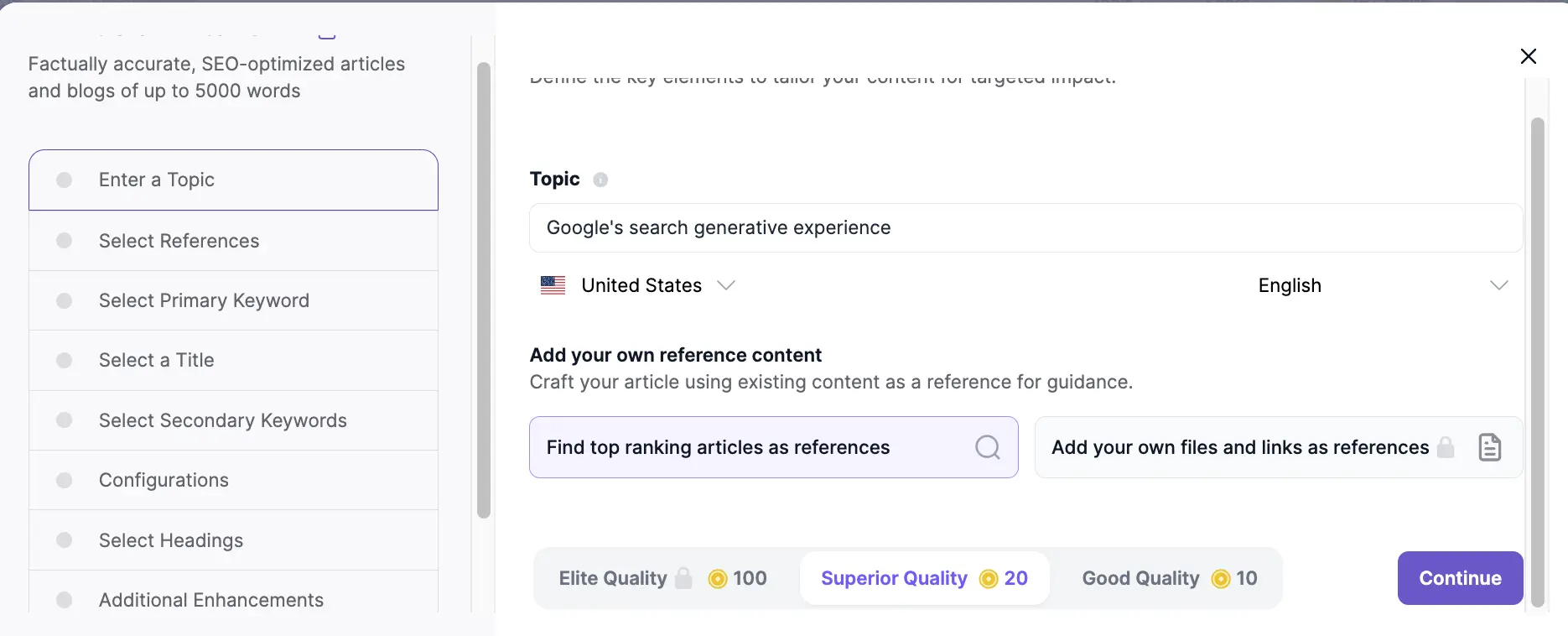
AI content generation tool Writesonic
A quick look at Writesonic’s capabilities
Writesonic is similar to Jasper.ai in the range of content formats it supports, making it a potential fit for marketing teams that need to produce many different types of content.
The platform uses a credit-based system, where higher-quality outputs require more credits.
To generate content, you walk through a few straightforward prompts—selecting keywords, references, tone of voice, headings, secondary keywords, and more.
Writesonic also includes an SEO checker, though it must be run separately after generating a blog article.
In my testing, the suggested primary and secondary SEO keywords were… lacking.
All in all, this AI content generation tool may work best for generic copy creation tasks.
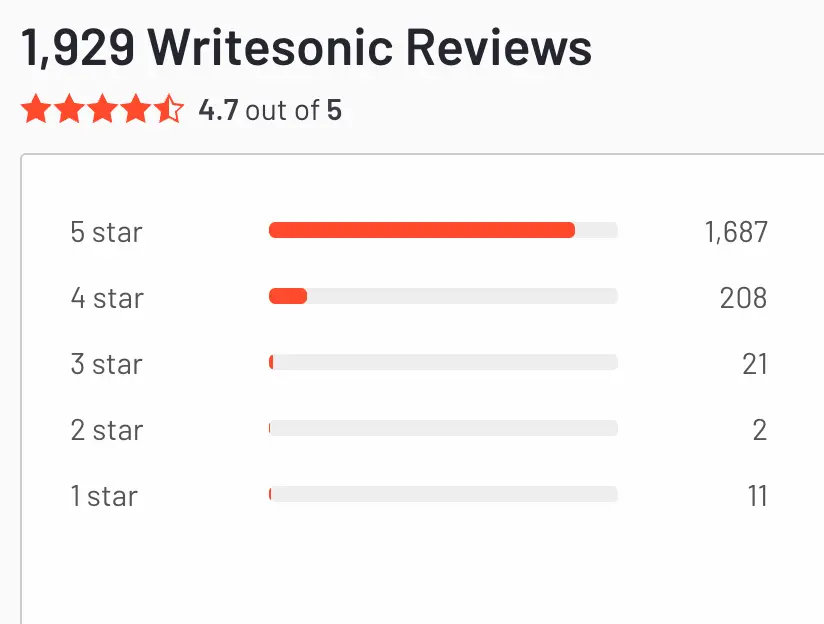
Writesonic has 4.7 out of 5 stars via May 2024 G2 reviews
6. Article Forge
Article Forge is another content generator that concentrates on creating original SEO content.

AI content generation tool Article Forge
Like many tools on this list, Article Forge requires minimal human input. However, it specifically markets itself as offering “true SEO automation”—positioning SEO as something that can run on autopilot.
After many years of working on high-performing SEO strategies, I’m skeptical of that claim. SEO rarely succeeds without active oversight.
That said, Article Forge does offer convenience.
By entering a keyword or a small amount of additional context, its deep learning model generates a complete article—including headings, body text, images, videos, and links.
A quick look at Article Forge’s capabilities
While Article Forge promotes accurate content generation, it isn’t a replacement for in-depth, high-quality content creation.
One notable benefit is its ability to conduct real-time research, which sets it apart from some other AI content generation tools.
However, as a machine-learning-based AI writing tool, it cannot provide unique perspectives, original insights, or meaningful information gain on its own.
That part still belongs to the humans using it.
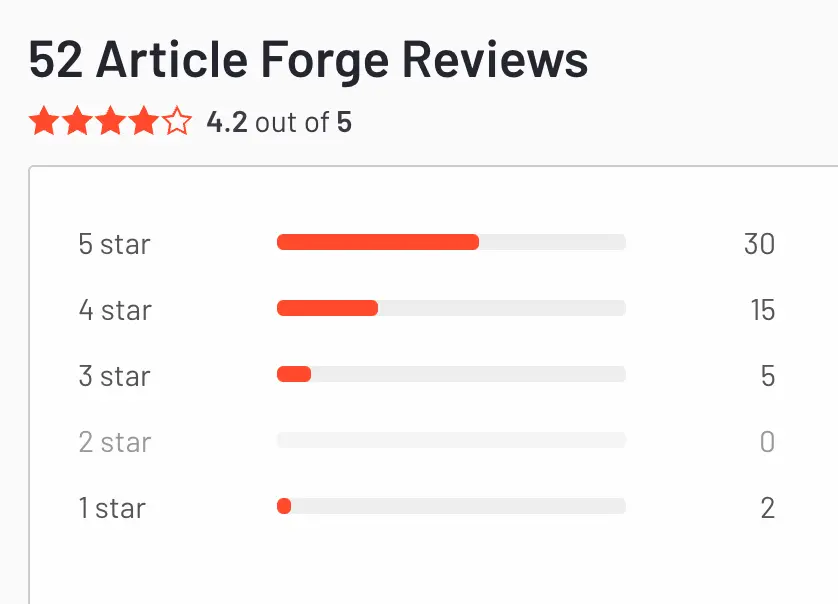
4.2 out of 5 stars: May 2024 G2 Reviews
7. Rytr
Rytr is another popular writing assistant and content generator. It also allows you to paraphrase and rework copy easily.

Ryter in-app experience
The toolset includes 30 templates designed to help generate copy for CTAs, email series, Google Ads, and product descriptions. There are also several templates for long-form content and blog outlines.
Unlike some other tools on this list, Rytr lets you adjust tone using more than 20 available writing styles. You can also choose from over 25 input languages.
A quick look at Rytr’s capabilities
Similar to Jasper.AI, Rytr struggles with highly creative content or topics that require specialized knowledge, as it generates drafts based on consensus information.
It also offers a selectable “creativity level,” including options that explicitly trade accuracy for creativity, which is worth noting, especially for factual or SEO-driven content.
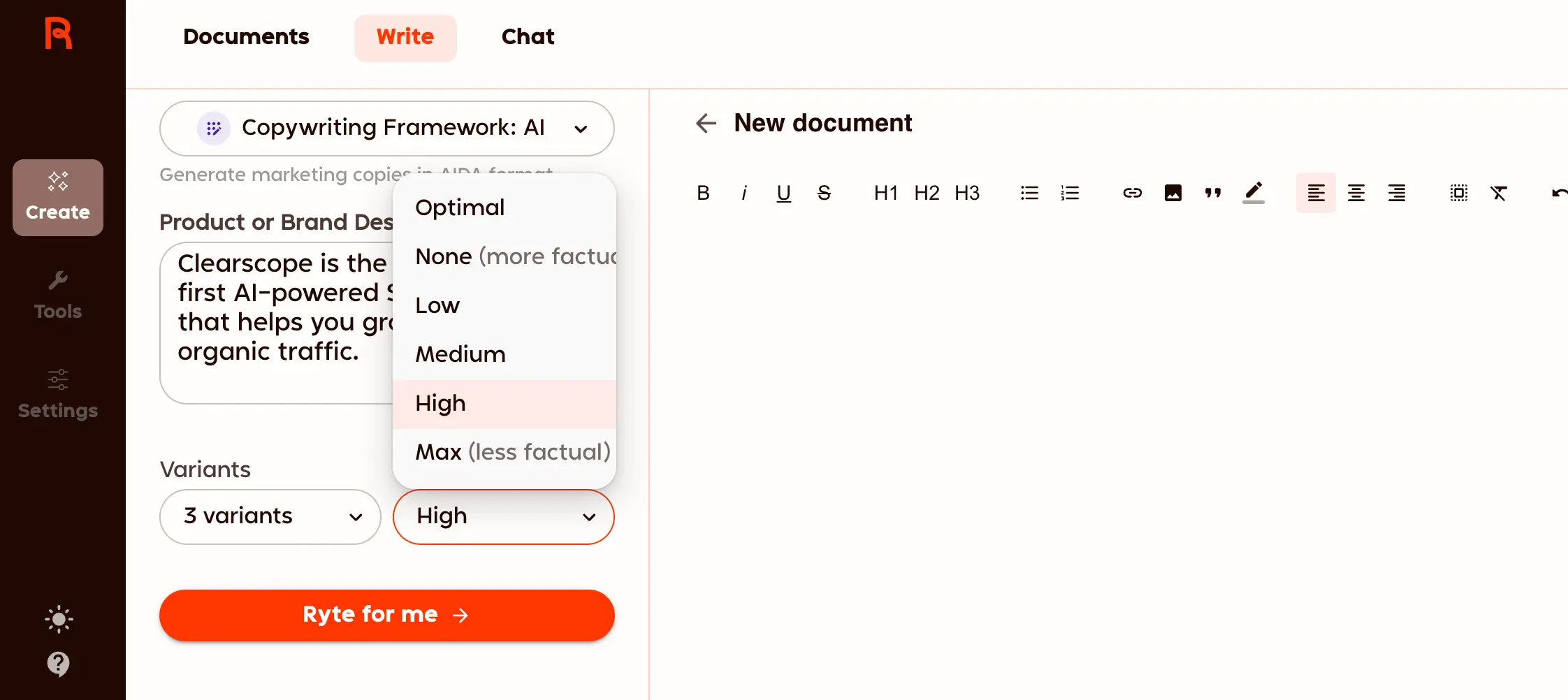
Ryter lets you select the tone and number of variants generated.
It can help you save time with general marketing copy tasks, like emails, landing page copy, review and customer support replies, and social posts. It also has a plagiarism checker.
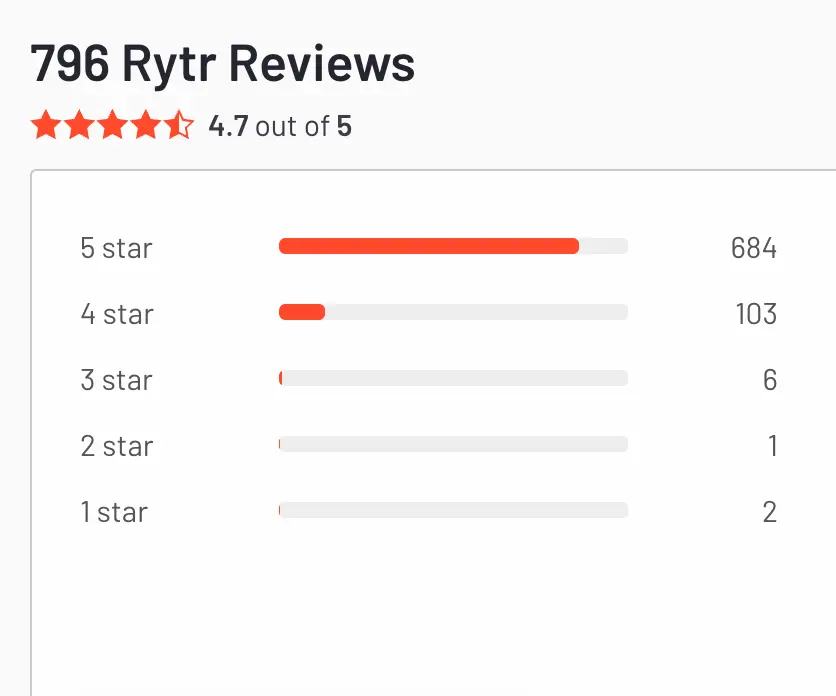
4.7 out of 5 stars; May 2024 G2 reviews
8. Peppertype (also known as Pepper Content)
Built by the content marketplace Pepper Content, Peppertype is an AI content assistant.
The AI toolset specializes in generating copy ideas for social media captions, ads, and SEO meta descriptions.
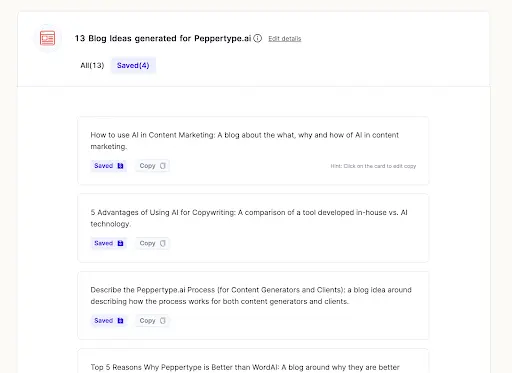
AI content generation tool Peppertype
A quick look at Peppertype’s capabilities
While Peppertype is primarily geared toward short-form copy, like product descriptions, it can also assist with long-form content.
For content updates, the platform includes Content Rewriter, Content Simplifier, and Content Expander templates.
To help combat writer’s block, there are Paragraph Writer and Blog Heading Expander templates.
Although Peppertype markets itself as a one-stop shop for overall SEO strategy (which, as mentioned earlier, isn’t something that can realistically run on autopilot), one of its biggest advantages may be its creator pool, which can help teams scale content production.
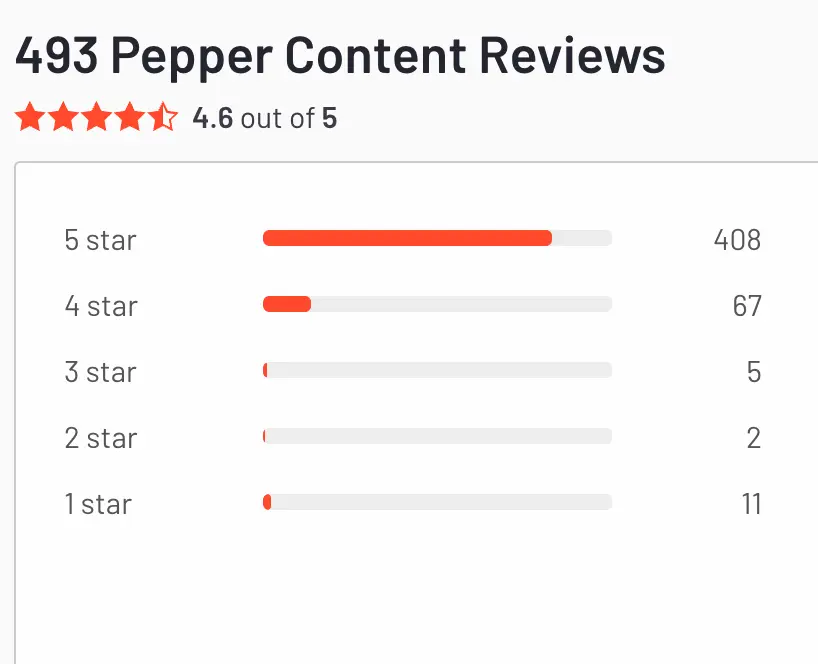
4.6 out of 5; May 2024 G2 reviews
9. Anyword.ai
Anyword uses artificial intelligence to generate and optimize marketing copy across channels such as websites, social media, email, and advertising, with a focus on performance-driven messaging.
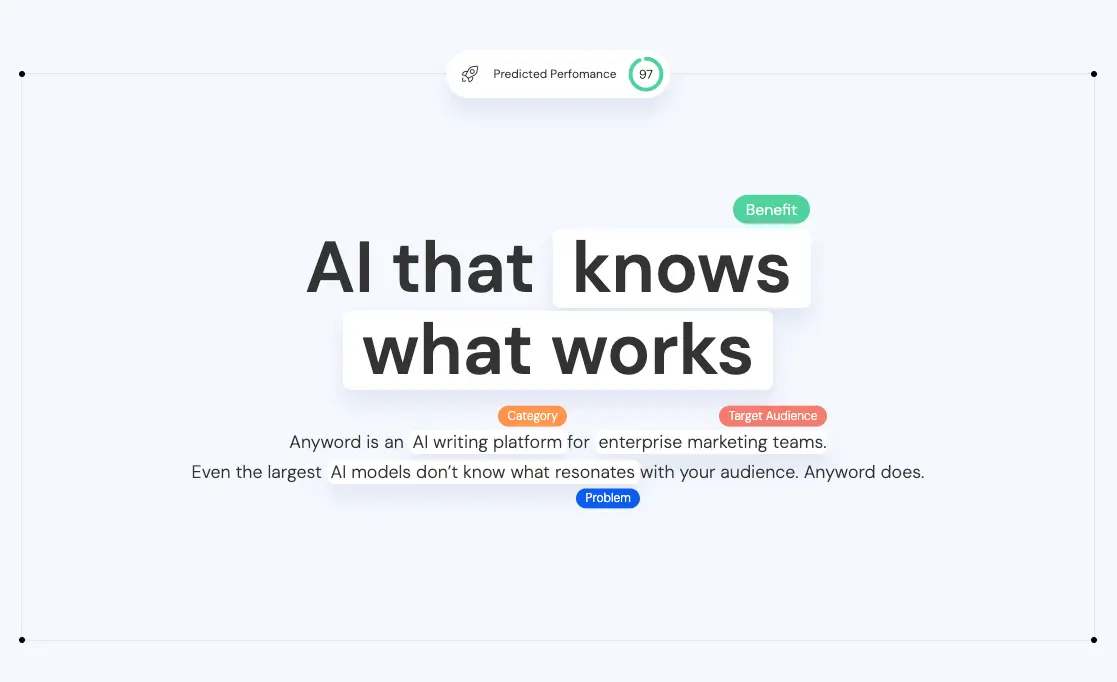
Anyword AI tool
Anyword offers a few features that set it apart from other AI writing tools on this list, including performance prediction and A/B testing capabilities.
Its AI content generation also integrates with platforms like ChatGPT, Notion, and HubSpot, and allows you to apply guidelines to every prompt for more personalized outputs.
Anyword offers multiple paid plans based on usage level, though accessing its full feature set may be cost-prohibitive for some teams.
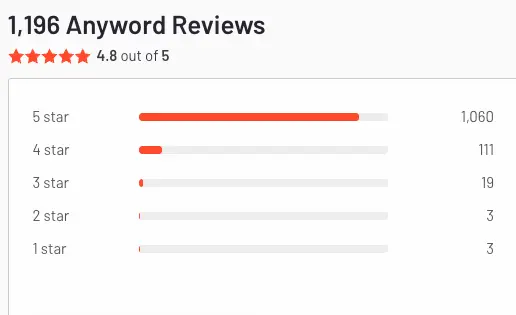
4.8 out of 5 stars; G2 May 2024 reviews
10. Frase

Frase interface
Just for fun, here’s what AI had to say about Frase:
According to Google’s Gemini, Frase is "not necessarily the strongest AI writing tool, but it shines in the research and planning stages of content development.”
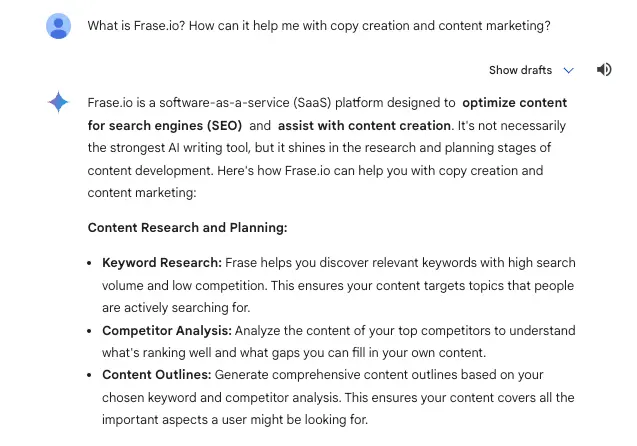
Gemini gave me this response when I asked about unique features that Frase offers.
It’s hard to say how Gemini would know this firsthand—especially since Frase has some of the highest G2 reviews on this list (aside from Clearscope).
That said, based on a quick hands-on test, we’d generally agree with the assessment.
A quick look at Frase’s capabilities
One of Frase’s most notable features, particularly from a content-first SEO perspective, is how easy it makes organizing an outline in the right-hand sidebar.
The platform also offers a variety of copywriting and idea-generation frameworks, which can help writers stay structured during the planning phase.
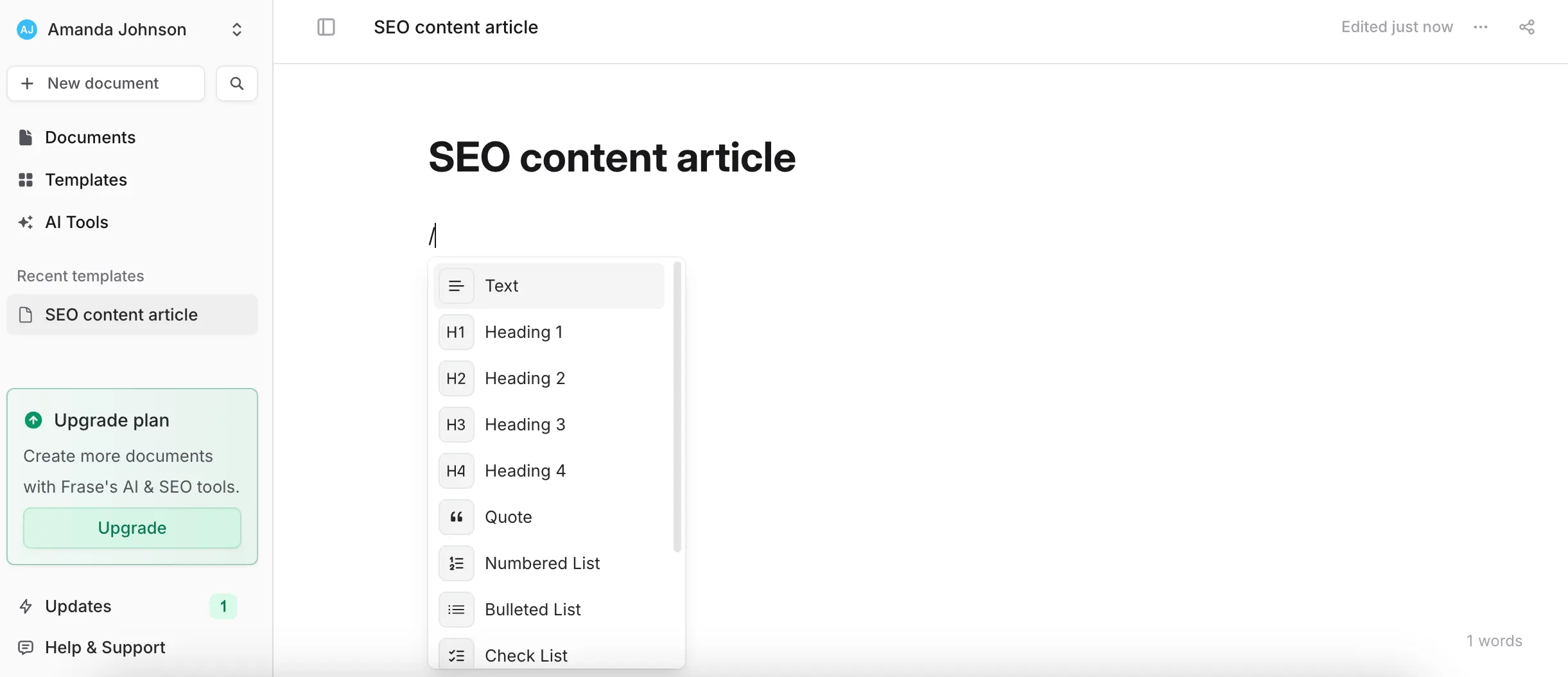
On the free test plan, I found the process more cumbersome than expected. Compared to other tools I tested, it required significantly more clicks to generate an article.
And an Ahrefs article noted that Frase provided the lowest correlation between rankings and content scores in their limited study of content optimization tools.
I tested Frase’s AI-generated SEO content within Clearscope Drafts as well, and the resulting grade indicated that additional work was needed to fully align the content with search intent.
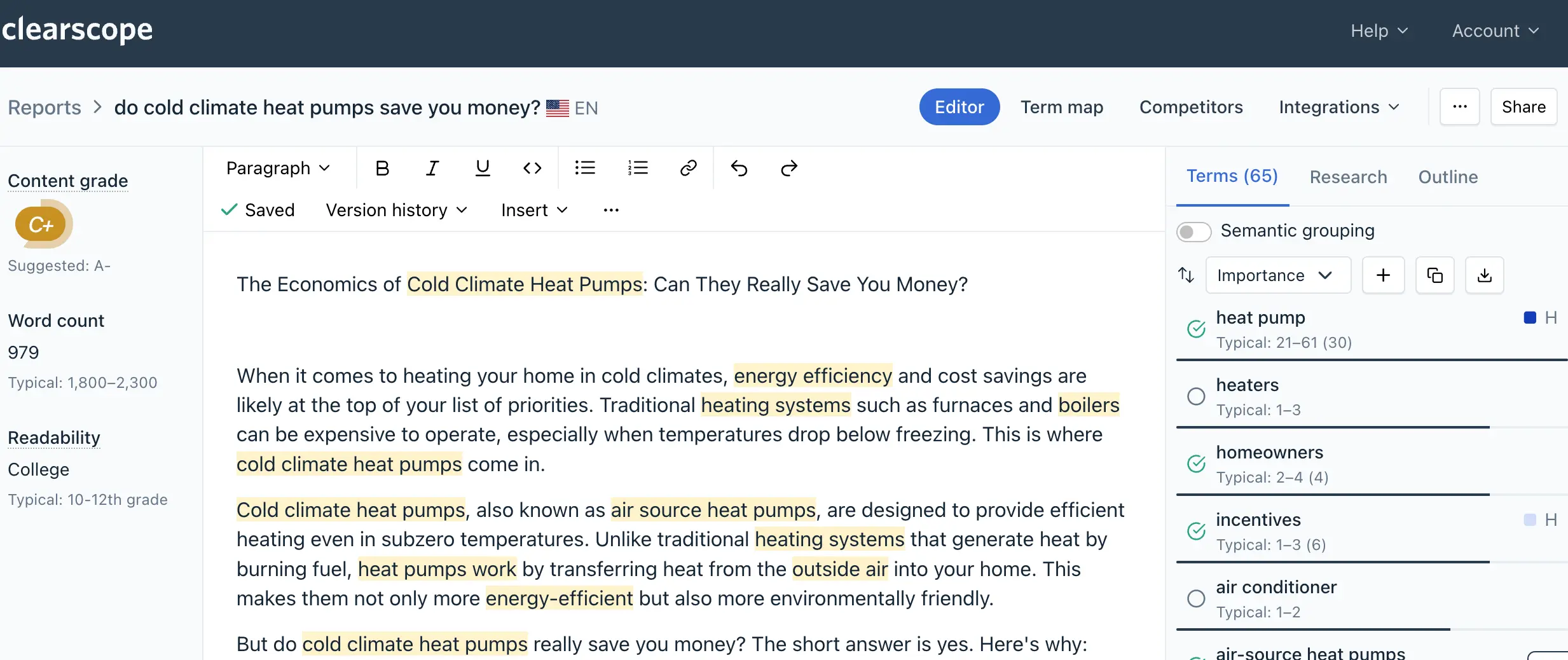
Frase's AI-generated SEO content received a C+ in Clearscope Drafts, which indicated more work is needed to sharply meet search intent for the target keyword.
Overall, Frase is very similar to other tools in this listing, but it does have a strong fan base with 4.8 out of 5 stars in G2 reviews.
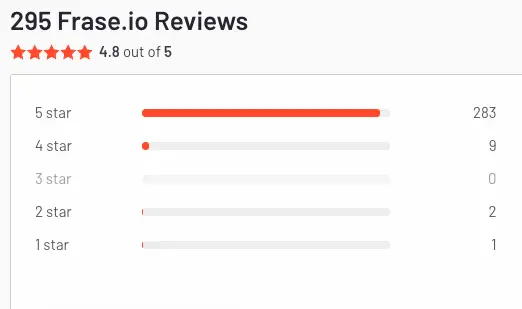
Frase has 4.8 out of 5 stars via May 2024 G2 reviews.
11. Clearscope.io
Okay, so Clearscope is us—we’re obviously biased, but for good reason.
Clearscope offers a new tool called Draft With AI, which is an AI-assisted content creation and AI-powered drafting built specifically for high-quality SEO performance and alignment with real user search intent.
We’re not trying to replace subject matter experts or experienced writers—the kind of people who create meaningful information gain. Instead, Clearscope is designed to make sure that expertise actually shows up in content that performs.
With Clearscope 2.0, the platform goes beyond traditional content optimization:
Draft with AI allows you to generate outlines and first drafts directly inside Clearscope, using multiple leading LLMs—all informed by real search intent and competitor analysis.
AI visibility and mentions tracking helps teams understand how their content appears in AI-powered search experiences and large language model outputs.
Search intent analysis and topic exploration surface what actually matters to readers, not just which keywords to include.
Under the hood, Clearscope leverages three of the most powerful LLMs available, paired with deep competitive analysis across top-ranking content—so AI-assisted drafts are grounded in what’s already working, not guesswork.
Clearscope also fits naturally into existing workflows, with:
A WordPress plugin
Google Docs and Microsoft Word add-ons
Team collaboration features built for scale
You can generate an AI-assisted outline or draft in one click, then refine it with human judgment, original insight, and brand voice—using Clearscope to keep content aligned with search intent from start to finish.
But don’t just take our word for it.
Clearscope consistently earns the highest G2 ratings in this category, with users citing both product quality and hands-on support from a content-first SEO team.
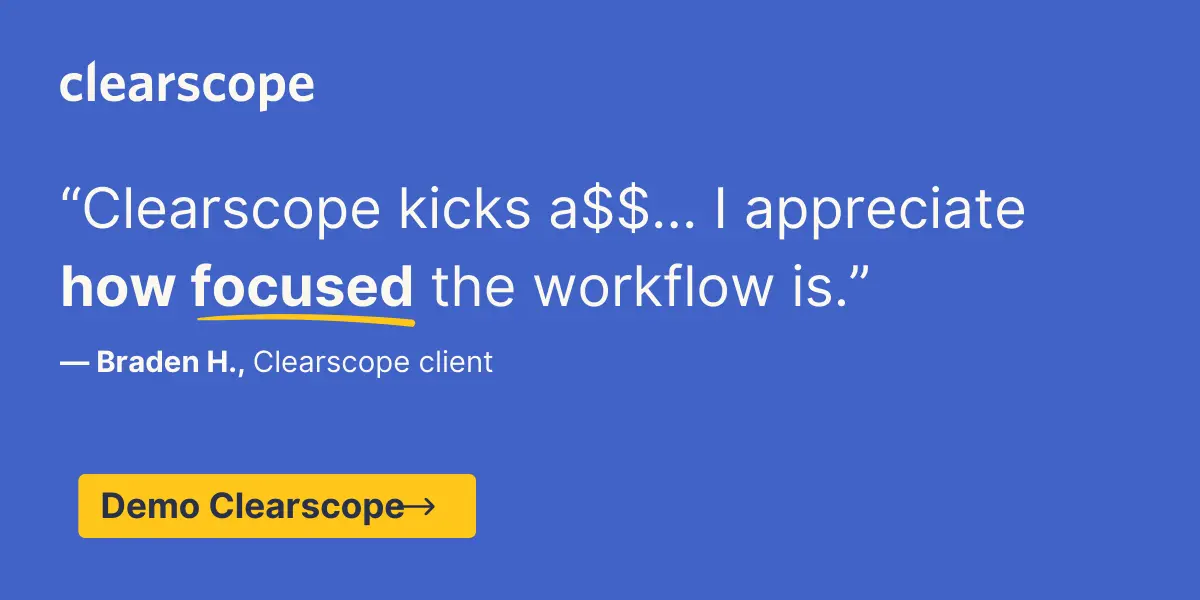
It’s not just an awesome workflow.
Clearscope has a passionate team of content-first SEO experts standing by to support you and the highest G2 Reviews in this listing with 4.9 out of 5 stars.
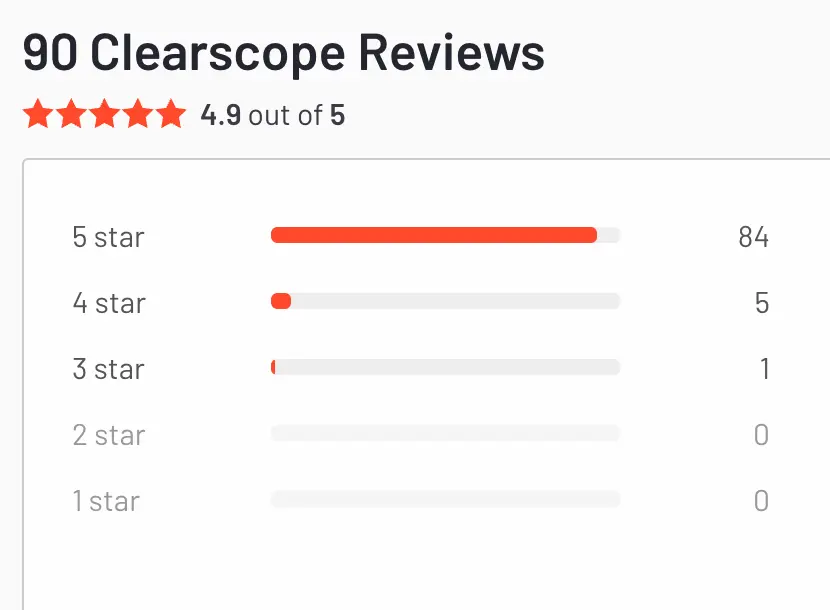
May 2024 Clearscope G2 reviews show 4.9 out of 5 stars.
Ready to try a content-first, AI-powered SEO tool?
The key to getting real value from AI content generators is using them where your team actually needs leverage.
That might mean drafting hundreds of product descriptions, improving clarity and readability for a specific audience, or generating stronger title and outline ideas. That’s where AI writing tools tend to shine.
When it comes to SEO content, though, the approach matters.
We recommend following Google’s guidelines and using AI as your draft assistant, not as a replacement for subject matter expertise or SEO strategy.
When expectations are set correctly, AI content tools can meaningfully enhance your marketing efforts—and save your team hours of work in the process.
Ready to try a content-first AI-powered SEO platform built for how search actually works today?
Contributing Authors
The original version of this article was published September 15, 2023, by guest contributor Holly Stanley. It was updated January 9, 2025, to include updated education on current best tools and practices by the Clearscope team.
Featured image source.
Clearscope vs MarketMuse vs Surfer: A Detailed Comparison
Clearscope vs MarketMuse vs Surfer: learn the difference between these three content optimization tools and which one will give you a better edge.
Should You Use Ai-Generated Content in Your SEO Strategy?
If you’re looking for ways to save time, AI content generation is a tempting option. But does it work? Should you use it? Check out our guide to learn more.
What Is the Difference Between Ai-Assisted and Ai-Generated Content?
Discover how to effectively use AI in your SEO content strategy while avoiding common pitfalls of AI-generated content.