The Search Engine Wars Are Back. This Time It’s AI
Topic: Reporting
Published:
Written by: Bernard Huang
For a long time, most people in the SEO world assumed the search engine wars were over. Google had already won. Other search engines still existed, like Bing, DuckDuckGo, and Yahoo, but very few companies spent time trying to optimize for them. And most strategies focused on Google because it was the platform that controlled the majority of discovery.
But something has changed.
The search wars are back, but the battlefield has moved. Instead of competing for rankings on search engine results pages, companies are now competing to appear inside AI-generated answers. Tools like ChatGPT, Gemini, and Claude are quickly becoming new gateways to information, and each one decides what sources to use in slightly different ways.
At first glance, this shift feels completely new. AI systems don’t give you a list of links the way search engines do. Instead, they read information from multiple sources and generate a single answer for the user. But underneath that new interface, the competitive dynamics are surprisingly familiar. Discovery is still competitive, authority still matters, and the systems that control information access still determine which brands get seen.
The Battleground Has Moved From SERPs to AI Answers
In traditional search, visibility meant appearing somewhere on a results page. If your page ranked well, users could find it. Even if you weren’t the top result, people could still scroll through the page, compare options, and choose which sites to visit.
AI systems change that experience in an important way. By the time a user sees an answer, the model has already decided which sources matter.
That means the competition happens earlier in the process. Instead of competing only for rankings, brands now compete to be included in the information the model retrieves before generating an answer. The key question is no longer just “Does your page rank?” It’s “Does the AI system pull from your content at all?”
If it doesn’t, the model’s answer will be shaped entirely by other sources.
SEO Is Evolving Into Retrieval Optimization
Traditional SEO focused heavily on rankings. The goal was to create content that search engines considered authoritative so that it would appear prominently on results pages.
AI systems introduce an additional layer where retrieval determines influence. Before an AI model can generate an answer, it first decides which sources to read. That selection process determines what the model can and cannot say.
We’ve seen this play out clearly in testing.
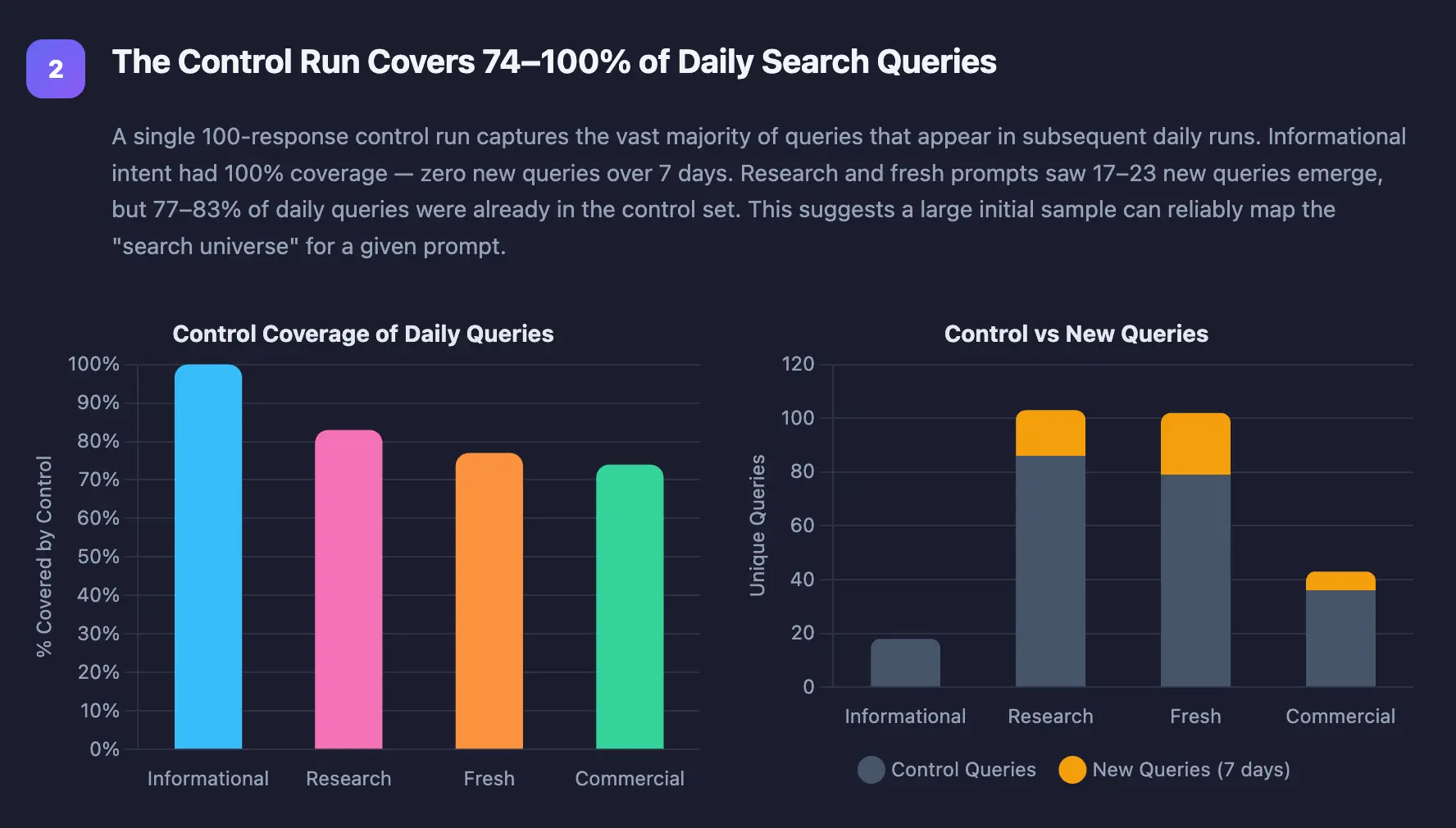
For example, when running variations of the prompt: “What is the best SEO tool for content optimization?”
Gemini consistently pulled comparison pages and blog posts reviewing platforms like Clearscope, SurferSEO, and MarketMuse. GPT, on the other hand, more often retrieved broader “best SEO tools” lists that leaned heavily toward platforms like Ahrefs or Semrush.
The answers looked similar on the surface. But the brands included (and excluded) were entirely determined by which sources were retrieved.
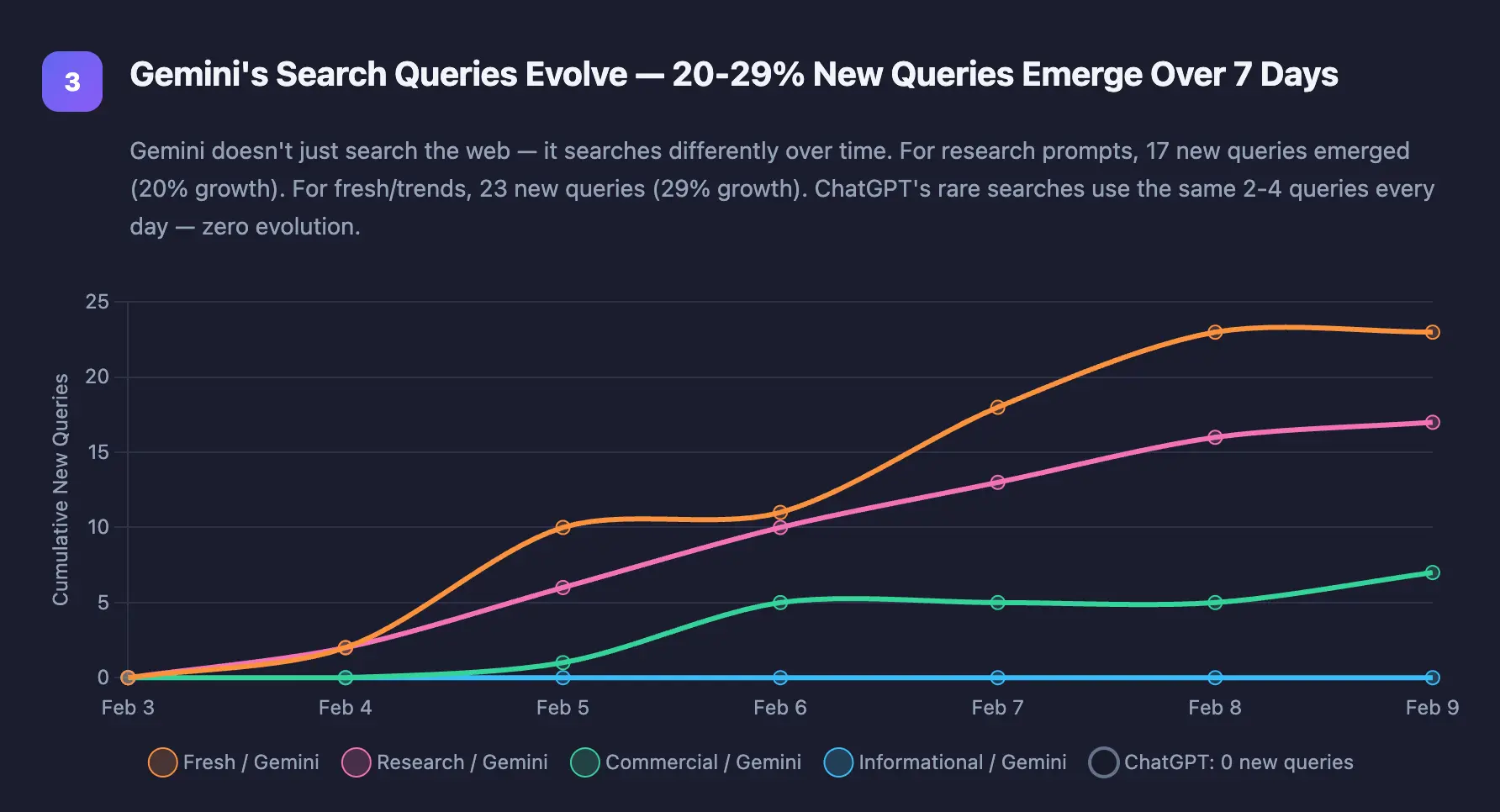
The same pattern shows up in educational queries. When asking: “How do you optimize content for AI search?”
Some models consistently retrieve tactical SEO guides focused on topical authority, structure, and query coverage. Others retrieve broader thought leadership pieces about AI search trends. Again, the answer may look polished either way. But the sources shaping it and the brands represented are completely different.
This is the key shift. If your content is not part of the retrieval set, it doesn’t influence the answer. And in many cases, it doesn’t appear at all.
Models Are the New Gatekeepers
Another important difference is that each AI model retrieves information differently. Some systems frequently perform live searches before answering a question. Others rely more heavily on internal knowledge or curated datasets.
Because of this, every model effectively creates its own universe of sources.
If a model consistently retrieves information from a certain group of websites, those sites become the voices that shape its answers. Their explanations, comparisons, and definitions influence how the AI talks about entire categories.
In other words, this means models are no longer just ranking content. They are selecting which brands get to exist inside the answer at all.
Commercial Intent Remains the Most Stable Surface
Not all questions behave the same way inside AI systems. Informational prompts (general questions about a topic) can produce slightly different answers each time they are asked. Small changes in retrieval can lead to noticeable differences in the response.
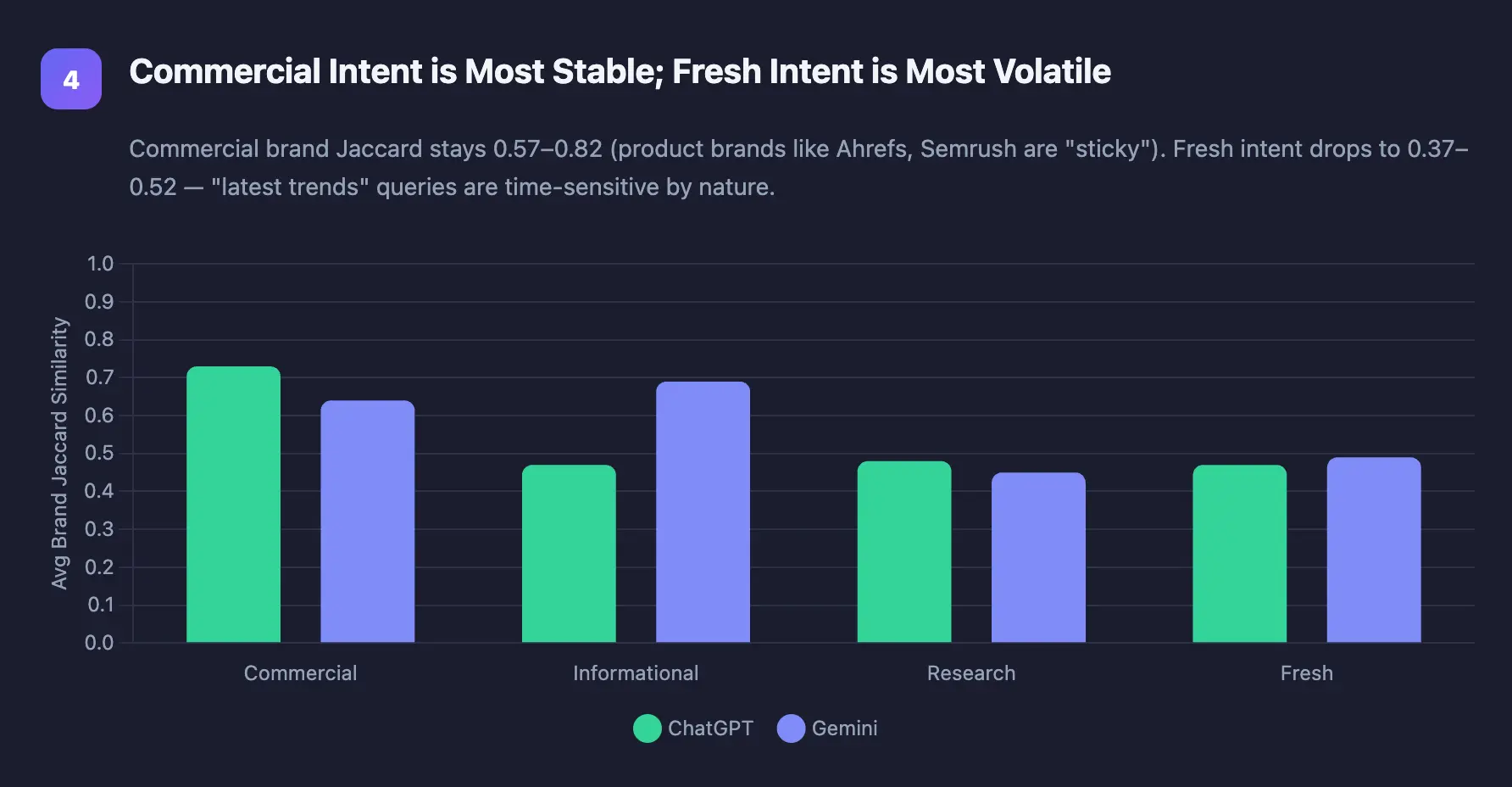
However, prompts with commercial intent tend to be more consistent. Questions like “best SEO tools,” “content optimization software,” or “alternatives to SurferSEO” often cause models to retrieve similar types of sources repeatedly. These queries typically pull comparison pages, product lists, and category explainers.
These prompts are also where influence matters most. They appear when someone is actively researching a product or deciding what to buy. Because of that, they represent one of the most valuable surfaces for brands trying to influence AI-driven discovery.
The Rules Feel New, But the Dynamics Are Familiar
Even though AI systems feel new, the underlying forces shaping visibility look very familiar.
In the early days of Google, certain types of sites appeared in search results more often than others. They tended to cover topics deeply, publish a wide range of related content, and clearly position themselves within a category.
AI retrieval systems seem to favor many of the same signals. Models frequently pull from sources that demonstrate:
strong topical authority
broad coverage of a subject
clear positioning within a category
The technology may have changed, but the competitive logic hasn’t. Brands that consistently demonstrate expertise and relevance are still the ones most likely to be surfaced.
One Model Will Eventually Become the Default
When the web first exploded in the early 2000s, multiple search engines competed for dominance. Google, Yahoo, Bing, and Ask Jeeves all tried to become the main gateway to information.
Eventually, one platform emerged as the default.
The AI landscape today looks similar. Companies debate which models matter most—GPT, Gemini, Claude, or others—but history suggests that this kind of debate won't last forever.
Over time, one ecosystem usually becomes the primary place where discovery happens.
Right now, the strongest candidate is Gemini.
Gemini is embedded directly inside Google’s search ecosystem. It powers AI Overviews, appears across Google products, and operates in the environment where billions of people already search for information every day.
That distribution advantage gives it a powerful head start over stand alone chat applications.
What This Means: Optimize for the Model You Can Influence
If history is any guide, the AI ecosystem won’t stay fragmented forever. Eventually, one system will become the primary surface for discovery, just like Google did for search.
Right now, the most likely candidate is Gemini.
Because Gemini sits inside Google’s search ecosystem, it has a massive distribution advantage. It powers AI Overviews and operates where billions of users already search for information every day.
That doesn’t mean other models won’t matter. But just as most companies eventually optimized for Google first, the smartest strategy today is to focus on the system most likely to shape the broader ecosystem.
For most brands, that means understanding how Gemini retrieves information and ensuring your content consistently appears among the sources it reads.
Because in AI-driven discovery, visibility isn’t about ranking on a page anymore.
It’s about being part of the information the model chooses to retrieve. If you’re not part of that retrieval set, you’re not competing. You’re invisible.
Tools like Clearscope help teams build the topical authority, coverage, and clarity that retrieval systems consistently pull from. As AI becomes a primary interface for discovery, those signals will determine which brands are visible and which ones disappear entirely.
How to Actually Influence AI Answers
You can’t change a model’s memory, but you can influence what it retrieves. Learn how AI answers are shaped by web searches and the recurring retrieval set.
How to Reverse-Engineer the Prompts Your Customers Actually Use
Most teams track the wrong prompts when measuring AI visibility. Learn how real user questions shape AI recommendations and how to uncover them.
Why Some AI Models Are Harder to Influence Than Others
Why influencing AI answers isn’t random. Learn how GPT and Gemini retrieve information differently and why search behavior determines AI visibility.